DERMADVICE™
How Sensitizing Ingredients Hurt Skin
Sensitizing, harsh, abrasive, and fragrant ingredients are bad for skin, really, really bad. Applying skincare products that contain sensitizing ingredients daily is a significant way we unknowingly do our skin a disservice! Sensitizing ingredients are so bad because they can lead to visible problems you wouldn’t be seeing if you switched to medical-grade ingredients.
The general consensus among dermatologists is that you should start using retinol products in your 20s for anti-aging reasons. From evening out skin tone and texture to boosting radiance and preventing blemishes, it is a real multitasker that can suit all skin types.
Treating Different Types of Rosacea
If your face frequently flushes red for more than about ten minutes after exercise, drinking alcohol, being outdoors in warm weather, or other common triggers, you may have what’s called erythematotelangiectatic rosacea (ETR). This type of rosacea is characterized by facial flushing and broken blood vessels, which are likely caused by years of dilating and constricting.
Can Niacinamide and Vitamin C Be Used Together?
Myth-busting! Together, these ingredients form a powerhouse combo that addresses uneven skin tone, wrinkles, loss of firmness, and dullness. All skin types will see a complexion that progressively becomes more radiant, smoother, more even, and noticeably younger-looking.
Read moreabout Can Niacinamide and Vitamin C Be Used Together?
Treating your Acne effectively
Acne severity is determined by the type and number of lesions present on your skin. To help you accurately identify your acne grade and choose the best treatment plan, it’s important to first understand the different types of acne lesions.
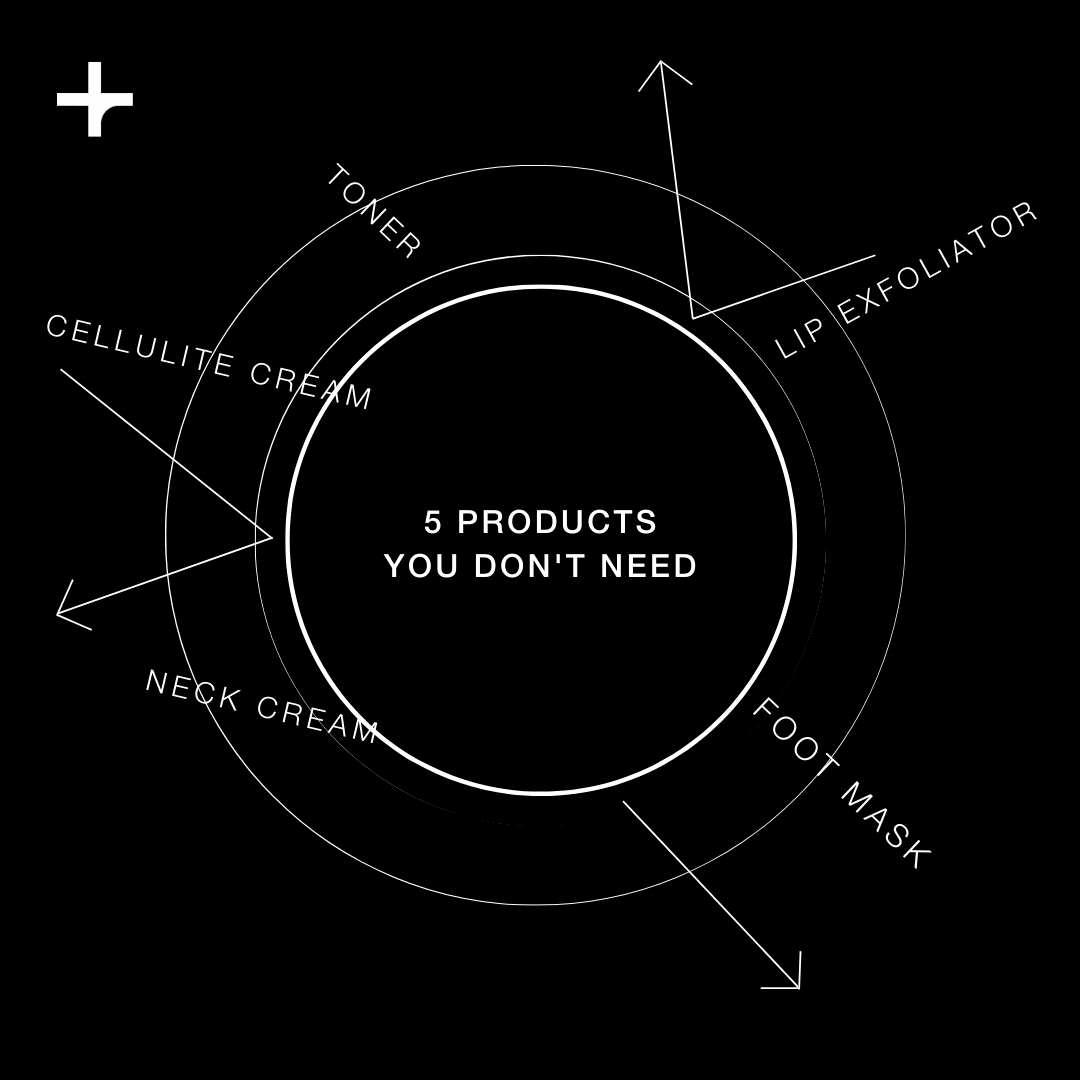
5 Skincare Products You Don't Need
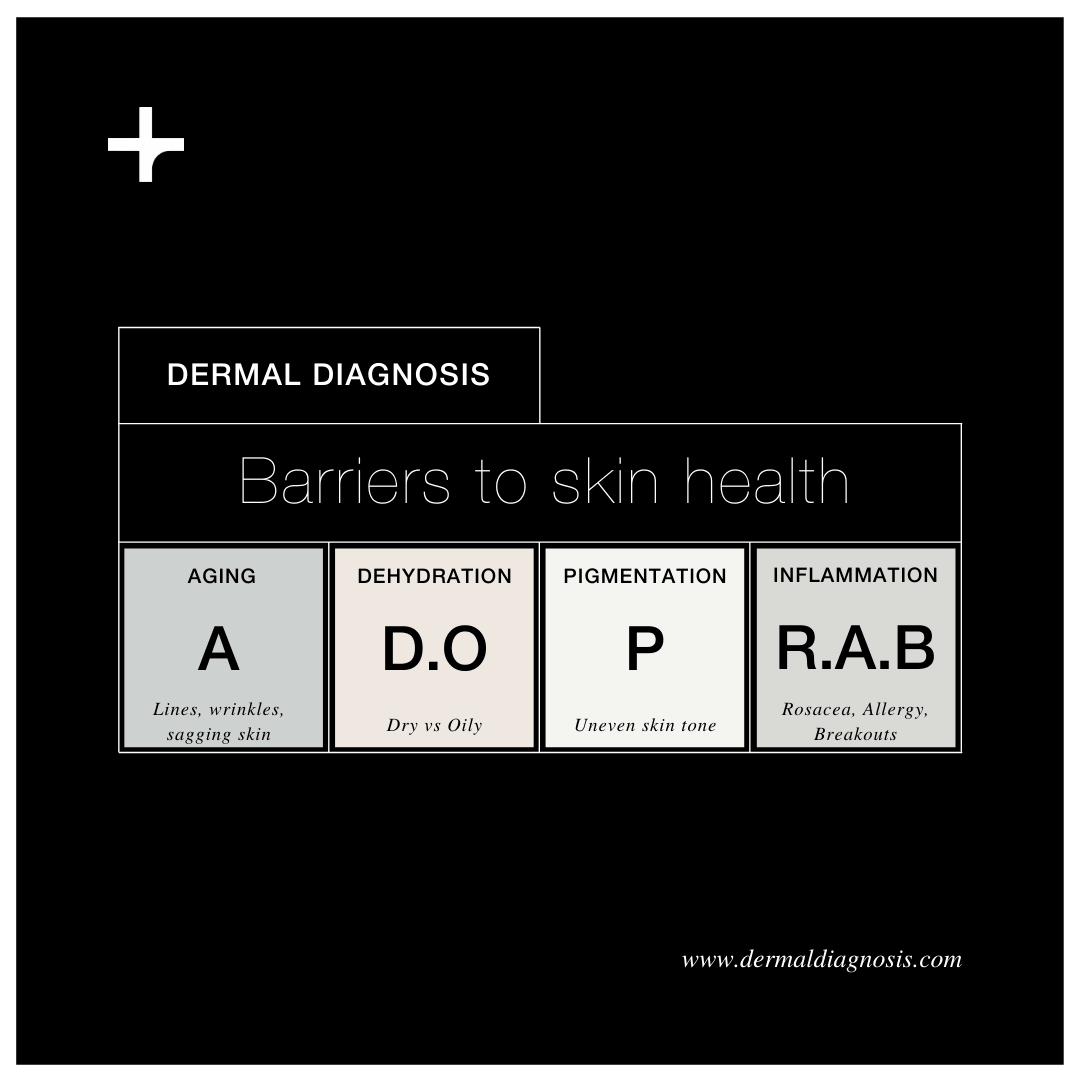
Determine Your Correct Skin Type
Many studies show that most people are wrong about their skin type. Skin typing systems usually classify your skin type as dry, oily, combination, or normal. This classification system is insufficient as it does not consider your barriers to skin health, which include inflammation, dehydration, pigmentation, and aging.
Do Collagen Supplements Help My Skin?
Since decreased collagen production leads to signs of aging, many companies have marketed expensive drinkable and other forms of oral collagen as an anti-aging solution. Medical specialists explain how these claims are completely inaccurate.